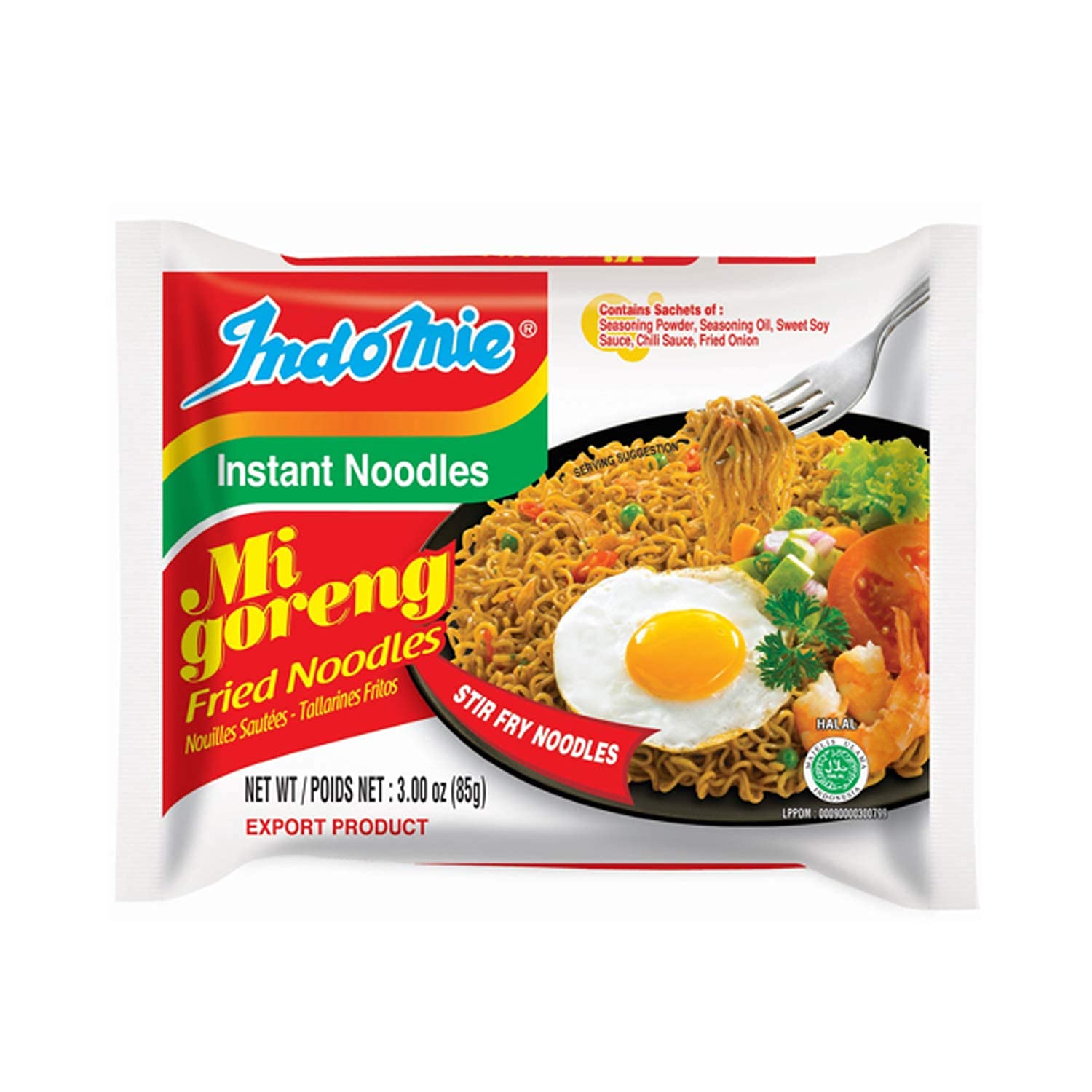
Case Study: Indomie
Some brands sell products. Others become part of everyday life. The difference usually lies in strategy, consistency, and emotional connection with customers.
One brand that has mastered this balance is Indomie, the instant noodle brand produced by Indofood and widely distributed in many countries, especially across Africa and Asia. In Nigeria, the brand has moved far beyond being just a food product. It has become a household name, a cultural reference, and for many people, a comfort meal.
If you study Indomie closely, you will notice that its success is not accidental. The brand has built its dominance through smart marketing, deep cultural connection, and consistent brand storytelling.
Here are a few things top brands like Indomie are doing right and what other businesses can learn from them.
1. Creating a Lifestyle, Not Just Food
One of the most powerful things Indomie has done is move beyond positioning itself as just noodles in a packet. Instead, the brand sells convenience, comfort, and lifestyle.
For many students, young professionals, and families, Indomie represents quick meals, late night study sessions, and easy cooking after a long day. The brand understands the everyday realities of its consumers and places itself directly in those moments.
Through advertising and storytelling, Indomie has shown itself in real life situations. A child returning home from school, a university student cooking in a hostel, or friends sharing a quick meal during a late night hangout. These moments make the brand feel personal.
When brands position themselves inside daily routines, they stop being products and start becoming habits. Habits are powerful because they build long-term loyalty. Customers no longer think about alternatives because the brand already fits naturally into their lives.
This is one of the biggest lessons businesses can learn from Indomie. Instead of focusing only on product features, think about the lifestyle your product supports.
2. Smart Localisation
Global brands often struggle when entering new markets because they try to apply the same strategy everywhere. Indomie took a different approach.
In Nigeria, the brand adapted its flavors, messaging, and campaigns to match local tastes and preferences. This allowed the product to feel familiar rather than foreign. Flavours were introduced that appealed to Nigerian consumers. Packaging and messaging reflected local culture. Advertising often included relatable Nigerian settings and personalities.
Localisation also extends to language and communication style. The brand speaks in a tone that feels natural to its audience. This makes the product feel like it belongs to the community rather than an imported brand. For any company entering a new market, this lesson is important. Customers connect more easily with brands that understand their culture, preferences, and everyday experiences, because localisation is not just translation. It is cultural understanding.
3. Community and Culture
Another thing Indomie does exceptionally well is connecting with communities.
Over the years, the brand has invested in school programs, cooking competitions, and youth initiatives. These activities help position the brand as part of the community rather than just a company selling products.
For example, many Nigerian students remember school events sponsored by the brand or competitions that involved cooking with Indomie. These experiences create emotional memories. Emotional memories are one of the strongest forms of marketing. When people associate a brand with positive childhood moments or shared experiences, the connection becomes deeper.
Indomie also understands the importance of cultural presence. The brand regularly appears in conversations around food culture, social media trends, and everyday humor. This consistent cultural visibility helps keep the brand relevant across different generations.
For other brands, the takeaway is simple. Community engagement builds stronger loyalty than advertising alone.
4. Consistent Brand Love
Many brands launch strong campaigns but struggle to maintain the same energy over time. Indomie has done the opposite.
The brand has maintained a consistent presence in advertising, retail visibility, and customer engagement for many years. This consistency reinforces familiarity. Customers often trust brands they see regularly. Familiar brands feel safer and more reliable. Indomie has also kept its messaging simple and memorable. The brand focuses on themes of enjoyment, ease, and family connection. These messages remain clear across different campaigns.
Consistency also appears in product availability. Indomie is widely distributed and easy to find in shops, supermarkets, and kiosks. When customers can easily access a product, loyalty becomes easier to maintain. Another important factor is brand affection. Many consumers genuinely feel attached to the brand because it has been present in their lives for years.
When customers say they love a brand, it usually means the brand has delivered consistent value and positive experiences over time.
Lessons Brands Can Learn from Indomie
The success of Indomie highlights several principles that apply to many industries.
First, brands should aim to connect with lifestyle moments rather than focusing only on product features. When products fit naturally into daily routines, they become harder to replace.
Second, localization matters. Understanding the culture and preferences of a target audience makes marketing more relatable and effective.
Third, community engagement builds deeper loyalty. Brands that participate in real life experiences create stronger emotional connections with customers.
Finally, consistency is powerful. Brands that communicate clearly and remain visible over time earn trust and familiarity.
Final Thoughts
The success of Indomie is not just about noodles. It is about brand strategy, cultural understanding, and long term relationship building with consumers. While many products compete in the same category, the brands that win are often those that connect emotionally with their audience and remain consistently present in their lives.
For businesses looking to grow, studying brands like Indomie offers valuable insights into how strong branding, smart localization, and community engagement can turn a simple product into a beloved household name.