Many brands post consistently online but still struggle to get enquiries or sales.
The problem is usually not effort. It is the type of content being posted.
Not every post is designed to convert. Some content builds awareness, some builds trust, and some moves people closer to taking action. If your content mix is missing the right post types, your audience may engage with your brand but never actually buy from you.
The good news is that you do not need to post endlessly to get results. You simply need content that helps people trust you, understand your value, and feel ready to take the next step.
Here are five post types that consistently help brands generate enquiries and sales.
1. Proof Post (Show Real Results)
One of the fastest ways to build trust online is through proof.
People are constantly exposed to brands making bold claims:
“We are the best.”
“We deliver results.”
“We help businesses grow.”
But most audiences today are sceptical. They want evidence before they believe anything.
This is why proof-based content works so well.
A proof post shows that your product or service has created real results for real people. This could include:
- Testimonials
- Client wins
- Before and after results
- Screenshots
- Metrics
- Reviews
- Case studies
The key is specificity.
Instead of saying:
“Our strategy improved engagement.”
Say:
“Our client saw a 45% increase in engagement within six weeks after restructuring their content.”
Specific proof feels believable because it is measurable.
And when people see evidence that your offer works, they begin to picture themselves getting similar results.
That is what drives enquiries.
2. Offer Post (Make It Clear How to Buy)
A lot of brands assume people know how to work with them.
Most times, they do not.
Sometimes potential customers are interested but confused about:
- What exactly you offer
- Who it is for
- How the process works
- How to get started
An offer post removes that confusion.
This type of content clearly explains:
- What you are offering
- Who it is designed for
- What problem it solves
- How people can take action
Simple sells better than complicated.
You do not need overly clever captions or long explanations. Clarity is more important than sounding impressive.
For example:
“We help founders build visibility through PR and content strategy. Send us a message to get started.”
That is easier to understand than vague marketing language.
If people are confused, they usually do nothing. Clear offers reduce hesitation and increase conversions.
3. Education Post (Teach One Small Win)
Educational content works because people trust brands they learn from.
But one mistake many businesses make is trying to teach too much at once.
The best educational posts are simple, practical, and easy to apply.
Teach one useful idea.
Solve one small problem.
Share one actionable insight.
This could be:
- A marketing tip
- A content strategy idea
- A business mistake to avoid
- A quick framework
- A productivity shortcut
When people gain value from your content consistently, they begin to associate your brand with expertise.
And expertise builds trust.
Educational content is powerful because it positions your brand as helpful before asking for a sale.
Sometimes one useful insight is enough to make someone think:
“If they are giving this away for free, imagine what working with them would be like.”
That thought often leads to enquiries.
4. Comparison Post (Help Them Choose)
Customers are constantly comparing options before making decisions.
Should they hire an agency or a freelancer?
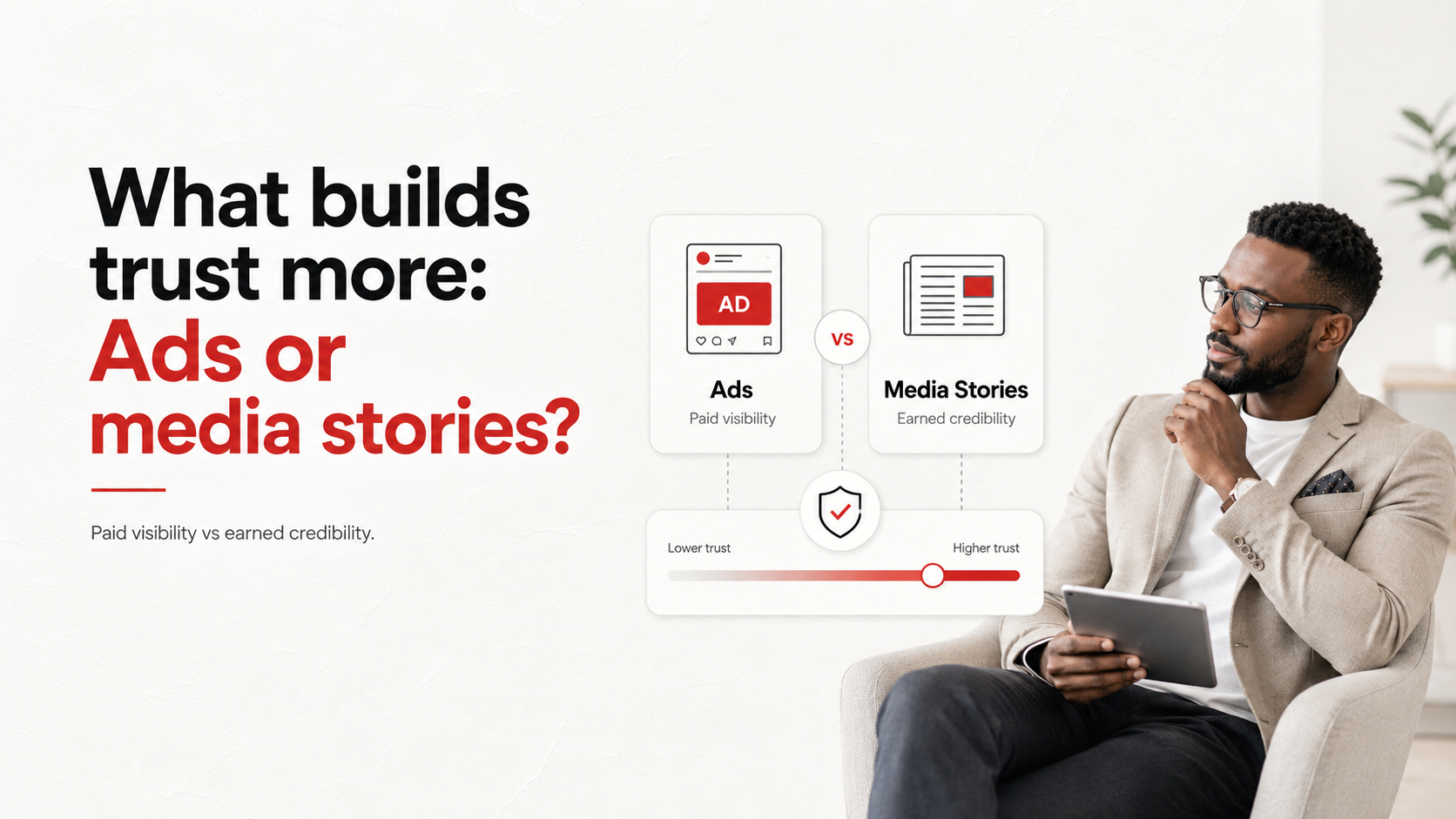
Should they use paid ads or PR?
Should they focus on Instagram or LinkedIn?
Comparison content helps simplify decision-making.
This type of post works because it reduces confusion and helps your audience feel more informed.
The goal is not always to attack alternatives or force your solution. It is to educate people on the differences clearly.
For example:
- PR vs Advertising
- AI Content vs UGC
- Brand Awareness vs Direct Response Marketing
- Organic Growth vs Paid Growth
Comparison posts position your brand as knowledgeable and trustworthy because you are helping people make smarter decisions instead of simply pushing a sale.
And when people trust your perspective, they are more likely to trust your offer.
5. Conversation Post (Start Qualified Chats)
Not every post needs to teach or sell directly.
Some posts should simply start conversations.
Conversation posts are designed to encourage engagement and reveal what your audience is thinking.
This could be:
- Asking a relevant question
- Starting a debate
- Sharing an unpopular opinion
- Discussing a relatable industry challenge
For example:
“What matters more for brand growth today: consistency or positioning?”
Posts like this work because they invite participation.
And engagement creates opportunities for connection.
The more conversations you create, the easier it becomes to understand your audience’s frustrations, objections, and interests.
Conversation posts also help attract qualified leads because the people engaging are often already interested in the topic you solve problems around.
How To Use Them
You do not need to use all five post types every single day.
Instead, build a simple weekly structure.
For example:
- Monday: Education Post
- Tuesday: Proof Post
- Wednesday: Conversation Post
- Thursday: Comparison Post
- Friday: Offer Post
This creates balance in your content.
You are not only selling.
You are teaching, proving, connecting, and guiding people toward action.
Over time, this combination builds familiarity and trust.
And trust is what usually leads to sales.
Final Thoughts
A lot of brands focus heavily on posting more content when the real solution is posting more intentional content.
The strongest content strategies are not random. They are structured around trust, clarity, and connection.
Proof builds credibility.
Offers create clarity.
Education builds authority.
Comparisons reduce confusion.
Conversations create relationships.
When these post types work together consistently, enquiries and sales become easier.
Which of these five post types is your brand currently missing, and how can you start using it more intentionally this week?